About Archival Showcases
Crafting Environments That Protect History
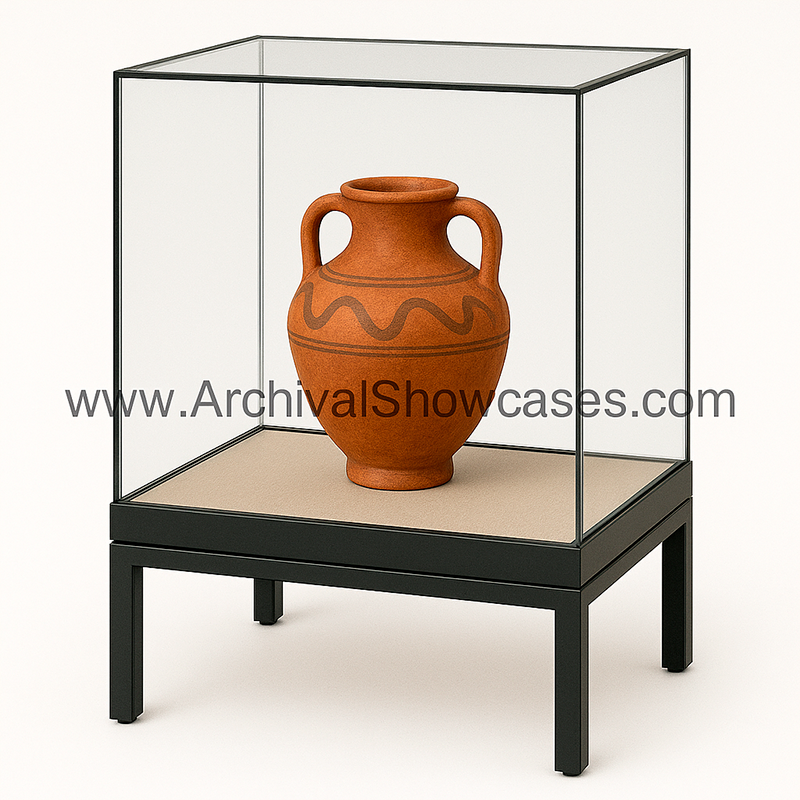
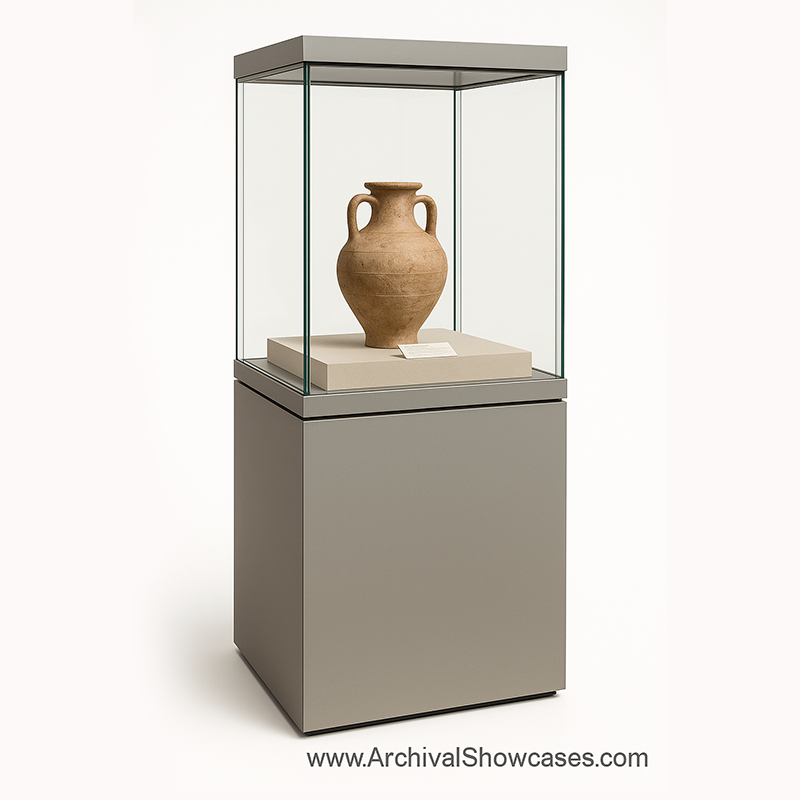
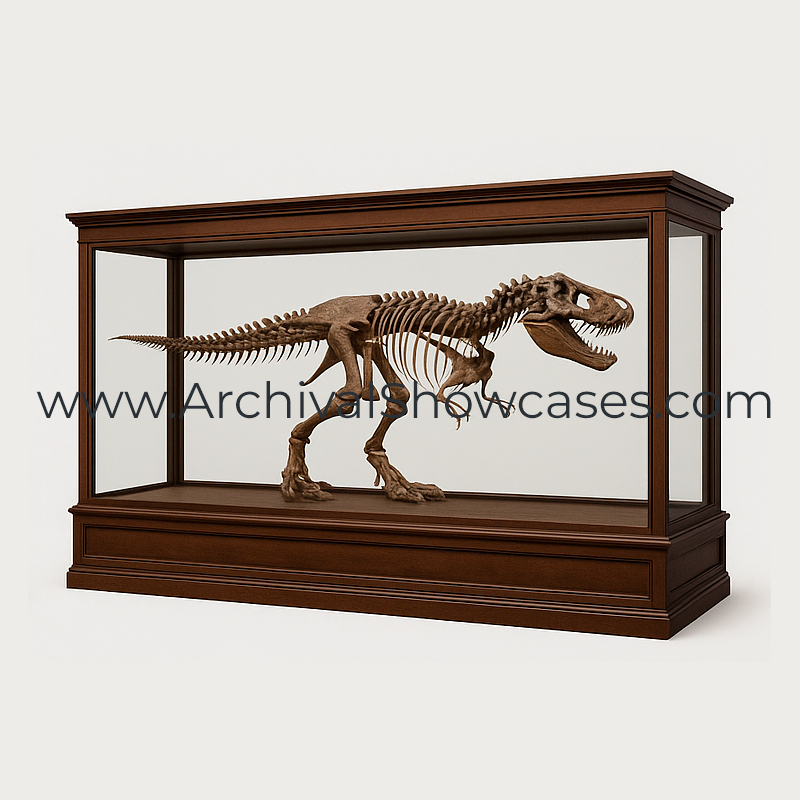
At Archival Showcases, we believe that a showcase is not just a container—it is an environment. Every object placed within one of our cases carries with it the weight of time: the fragility of a centuries-old manuscript, the subtle colors of a faded textile, the crystalline form of a mineral specimen, or the shine of a sculpted artifact. Each is a fragment of human achievement, science, or memory.
Our mission is simple yet profound: to preserve, protect, and present history in its most authentic form. Museums, archives, galleries, and cultural institutions across the United States and Canada trust us because our showcases are designed to serve both science and story.
Where other companies offer furniture, we offer conservation-grade systems—built with the collaboration of conservators, engineers, and designers to ensure stability, security, and clarity.
Our Distinct Approach
What makes Archival Showcases unique is our relentless pursuit of both scientific accuracy and aesthetic refinement. We treat each showcase not as a product, but as a long-term conservation tool.
- Science-Driven Design – Every project begins with conservation analysis: What threats does the object face? Light? Humidity? Chemical off-gassing? Physical stress? Our designs respond to these threats with proven solutions.
- Engineered for Longevity – Using archival-grade metals, inert adhesives, UV-filtered glazing, and precision gasketing, our showcases are engineered to protect collections for decades—not just years.
- Tailored Presentation – Each showcase is crafted to enhance visibility while minimizing distraction. Objects remain the focus; the showcase frames the story.
- Partnership & Stewardship – We work side by side with curators, conservators, exhibition designers, and architects to ensure that our showcases meet both exhibition and preservation needs.
Philosophy: Preservation Above All
Every decision in our process answers one question: how can we best protect this object while sharing it with the public?
- Environmental Stability – Integrated microclimate chambers, humidity buffering, and precision seals protect against damaging fluctuations.
- Material Integrity – All surfaces in contact with the object are inert, non-off-gassing, and conservation-approved.
- Controlled Lighting – LED and fiber-optic lighting solutions provide illumination without harmful UV/IR radiation.
- Security & Safety – Reinforced steel, tamper-resistant locks, and shatter-resistant glazing keep collections safe from harm.
- Longevity – Built for durability, our showcases reduce institutional costs by lasting decades with minimal maintenance.
What We Provide
- Custom Fabrication – Every showcase is built to order, from intimate tabletop vitrines to monumental wall-mounted installations.
- Archival-Grade Materials – UV-filtered glass, aluminum and steel frameworks, VOC-free finishes, and museum-approved adhesives.
- Climate Solutions – Optional integration of silica chambers, passive buffering, and active climate-control systems.
- Lighting Excellence – Designed lighting angles, dimmable LED arrays, and fiber-optic precision to highlight objects safely.
- Security Features – Multi-point locking, reinforced glazing, and integrated monitoring systems.
- North American Coverage – Serving institutions across the United States and Canada with delivery typically within 4 weeks.
- Warranty – All showcases are protected by our 18-month warranty.